Explore Stunning Antarctica: An Ultimate Travel Guide

Updated: Aug 6
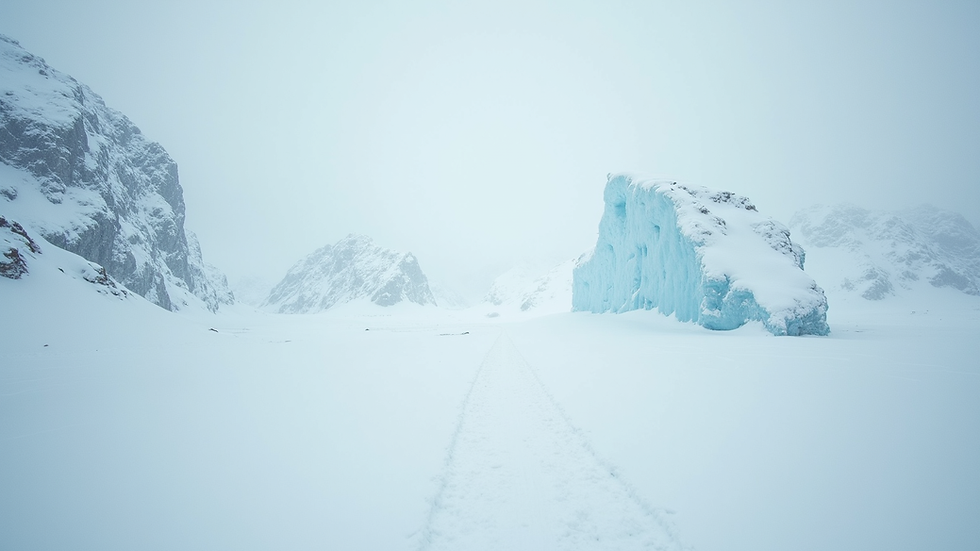
Antarctica, the last great wilderness on Earth, is a land of breathtaking beauty and stark contrasts. With its vast ice sheets, towering glaciers, and unique wildlife, it offers an unparalleled adventure for those willing to brave its frigid temperatures. This ultimate travel guide will help you navigate the wonders of this icy continent, ensuring you have an unforgettable experience.

Why Visit Antarctica?
Antarctica is unlike any other destination on the planet. Here are a few compelling reasons to consider visiting:
Unique Wildlife: Home to penguins, seals, and a variety of seabirds, Antarctica offers a chance to see these creatures in their natural habitat.
Stunning Landscapes: The dramatic scenery, from icebergs to mountain ranges, is a photographer's dream.
Adventure Opportunities: Whether you want to kayak among icebergs or hike on glaciers, Antarctica is a playground for adventure seekers.
Scientific Exploration: Learn about ongoing research and the effects of climate change in one of the most pristine environments left on Earth.
Best Time to Visit
The Antarctic travel season runs from late October to early March, which is summer in the Southern Hemisphere. During this time, temperatures are milder, and wildlife is more active. Here’s a breakdown of what to expect:
Late October to November: The ice begins to melt, and wildlife starts to emerge. This is the best time for photographers looking to capture the pristine beauty of the landscape.
December to January: The warmest months, with temperatures ranging from -2°C to 8°C (28°F to 46°F). This is peak season for wildlife watching, especially for penguin chicks.
February to early March: The best time for whale watching, as many species are active during this period.
How to Get There
Getting to Antarctica typically involves a multi-step journey. Here’s how you can make your way to this remote destination:
Fly to a Gateway City: Most travelers fly to Ushuaia, Argentina, or Punta Arenas, Chile. These cities serve as the main departure points for Antarctic cruises.
Choose Your Mode of Travel:
Cruise Ships: The most popular way to visit Antarctica is via cruise ships, which offer various itineraries and experiences.
Fly-Cruise Options: Some companies offer fly-cruise packages, allowing you to skip the rough Drake Passage by flying directly to King George Island.
Book in Advance: Due to limited availability and high demand, it’s advisable to book your trip well in advance.
What to Expect on Your Trip
Traveling to Antarctica is a unique experience that requires preparation. Here’s what you can expect:
Accommodations
Most visitors stay on board their cruise ships, which range from basic to luxurious. Some options include:
Expedition Ships: These are smaller vessels designed for adventure travel, often equipped with zodiacs for shore landings.
Luxury Cruises: These offer more amenities, including fine dining and spacious cabins, while still providing access to the continent.
Daily Activities
Your daily itinerary will vary based on your cruise, but common activities include:
Zodiac Excursions: Small boats take you close to icebergs and wildlife.
Landings: Guided shore excursions allow you to explore the landscape and observe wildlife up close.
Lectures and Workshops: Many cruises offer educational programs led by experts in various fields.
Wildlife Encounters
Antarctica is teeming with wildlife. Here are some species you might encounter:
Emperor Penguins: The largest of the penguin species, often seen in large colonies.
Leopard Seals: Known for their distinctive spots and powerful jaws, these seals are often seen lounging on ice.
Whales: Humpback and orca whales are commonly spotted during the warmer months.
Essential Packing List
Packing for Antarctica requires careful consideration. Here’s a list of essentials to ensure you stay warm and comfortable:
Layered Clothing: Base layers, insulating layers, and waterproof outer layers are crucial.
Waterproof Boots: Insulated, waterproof boots are necessary for landings.
Gloves and Hats: Bring multiple pairs of gloves and a warm hat to protect against the cold.
Sunglasses and Sunscreen: The sun’s reflection off the ice can be intense, so protect your eyes and skin.
Health and Safety Considerations
While Antarctica is generally safe for travelers, it’s essential to be aware of a few health and safety considerations:
Travel Insurance: Ensure you have comprehensive travel insurance that covers medical emergencies and evacuation.
Stay Hydrated: The cold can be deceptive; drink plenty of water to stay hydrated.
Follow Guidelines: Always adhere to the guidelines provided by your expedition leaders to protect both yourself and the fragile environment.
Environmental Responsibility
Antarctica is a fragile ecosystem, and it’s vital to minimize your impact while visiting. Here are some tips for responsible travel:
Follow the Leave No Trace Principles: Take all your trash with you and avoid disturbing wildlife.
Stay on Designated Paths: Stick to marked trails to protect the delicate vegetation.
Educate Yourself: Learn about the local environment and the importance of conservation efforts.
Conclusion
Antarctica is a destination that promises adventure, beauty, and a chance to witness nature in its purest form. By planning carefully and respecting the environment, you can have an unforgettable experience in this remote paradise. Whether you’re an adventure seeker, a wildlife enthusiast, or simply looking to escape the ordinary, Antarctica offers something for everyone.
As you prepare for your journey, remember to embrace the spirit of exploration and the wonders that await you in this stunning part of the world. Start planning your trip today, and get ready for the adventure of a lifetime!