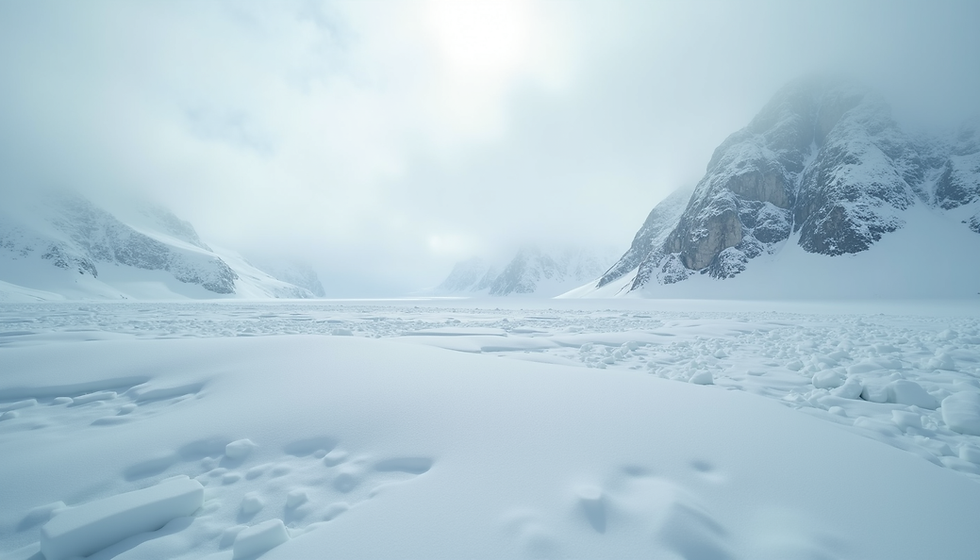
Top Tips for Planning Your Antarctica Expedition

Antarctica, the last great wilderness on Earth, offers an unparalleled adventure for those willing to brave its icy landscapes. Planning an expedition to this remote continent requires careful consideration and preparation. From choosing the right time to visit to understanding the unique challenges of the environment, this guide will provide you with essential tips to ensure a successful and memorable journey.
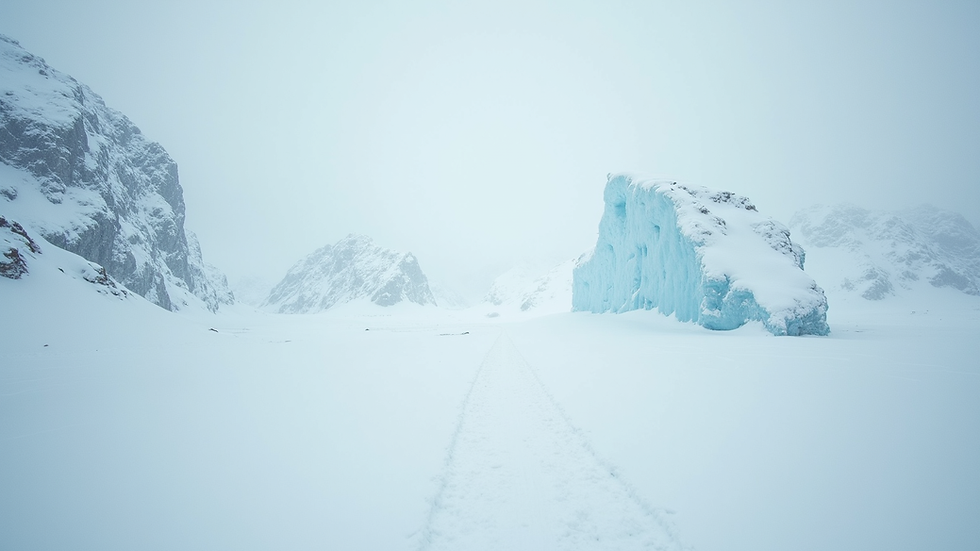
Understanding the Best Time to Visit
The timing of your expedition can significantly impact your experience. The Antarctic summer, from November to March, is the ideal time to visit. During these months, temperatures are milder, and wildlife is more active. Here’s a breakdown of what to expect during each month:
November: The ice begins to melt, and the landscape transforms. This is a great time for photographers as the scenery is pristine.
December: The warmest month, with temperatures ranging from -2°C to 8°C. Wildlife, including penguins and seals, is abundant.
January: The peak of summer, ideal for wildlife watching. You can witness penguin chicks hatching and seals basking on the ice.
February: The best month for whale watching, as many species migrate to the region. The weather remains pleasant, making it a great time for exploration.
Choosing the Right Expedition Type
There are several ways to experience Antarctica, each offering a unique perspective. Here are the most common options:
Cruise Expeditions: These are the most popular choice, allowing you to explore multiple locations while enjoying the comforts of a ship. Look for cruises that offer landings and guided excursions.
Land-Based Expeditions: For those seeking a more immersive experience, land-based trips provide opportunities for hiking, camping, and wildlife photography. These trips often require more physical fitness and preparation.
Adventure Tours: If you’re looking for an adrenaline rush, consider options like kayaking, ice climbing, or even polar plunges. These activities allow you to engage with the environment in a thrilling way.
Preparing for the Environment
Antarctica is known for its extreme weather conditions, so preparation is key. Here are some essential items to include in your packing list:
Layered Clothing: Dress in layers to regulate your body temperature. Start with moisture-wicking base layers, add insulating layers, and finish with a waterproof and windproof outer layer.
Quality Footwear: Insulated, waterproof boots are a must. Look for options with good traction for walking on ice and snow.
Accessories: Don’t forget warm hats, gloves, and scarves. A good pair of sunglasses is also essential to protect your eyes from the sun’s glare on the snow.
Safety Gear: Depending on your activities, consider bringing a personal locator beacon (PLB), a first aid kit, and a multi-tool.
Understanding Wildlife Etiquette
Antarctica is home to unique wildlife, and it’s crucial to respect their habitats. Here are some guidelines to follow:
Keep Your Distance: Observe animals from a safe distance. Approaching too closely can stress them and disrupt their natural behaviors.
Stay on Designated Paths: Stick to marked trails to minimize your impact on the environment. This helps protect fragile ecosystems.
Do Not Feed Wildlife: Feeding animals can alter their natural foraging behavior and lead to dependency on human food.
Navigating the Logistics
Planning an expedition to Antarctica involves several logistical considerations. Here are some key points to keep in mind:
Travel Insurance: Ensure you have comprehensive travel insurance that covers medical emergencies, trip cancellations, and evacuation.
Permits and Regulations: Familiarize yourself with the regulations set by the Antarctic Treaty System. Some activities may require permits, especially if you plan to visit research stations.
Health Precautions: Consult with a healthcare provider about vaccinations and medications. Be prepared for the possibility of altitude sickness if your expedition involves high-altitude trekking.
Engaging with Local Culture
While Antarctica is primarily known for its natural beauty, there are opportunities to learn about the culture of those who work there. Here are some ways to engage:
Visit Research Stations: Some expeditions include visits to research stations where you can learn about the scientific work being conducted in the region.
Participate in Educational Programs: Many cruise lines offer onboard lectures and workshops led by experts in polar science and conservation.
Packing Essentials for Your Expedition
To ensure you have everything you need for your Antarctic adventure, here’s a comprehensive packing list:
Clothing: Base layers, insulating layers, waterproof outerwear, thermal socks, and a warm hat.
Footwear: Insulated, waterproof boots and gaiters.
Accessories: Sunglasses, sunscreen, lip balm, and a camera with extra batteries.
Camping Gear: If camping, consider a lightweight tent, sleeping bag rated for low temperatures, and a portable stove.
Staying Safe in the Wilderness
Safety should always be a priority during your expedition. Here are some tips to keep in mind:
Stay Hydrated: The cold can be deceptive, and it’s easy to become dehydrated. Drink plenty of water throughout the day.
Know Your Limits: Be aware of your physical capabilities and don’t push yourself too hard. Listen to your body and take breaks as needed.
Emergency Procedures: Familiarize yourself with emergency procedures and the location of safety equipment. Ensure you have a plan in case of unexpected weather changes.
Conclusion
Planning an expedition to Antarctica is a thrilling endeavor that requires careful thought and preparation. By understanding the best time to visit, choosing the right expedition type, and preparing for the unique challenges of the environment, you can create an unforgettable experience. Remember to respect the wildlife and the delicate ecosystems you encounter, and prioritize safety throughout your journey. With these tips in mind, you are well on your way to exploring one of the most breathtaking places on Earth.
As you embark on this adventure, keep your spirit of exploration alive and embrace the wonders that await you in the icy expanse of Antarctica.